
Diapers
Showing 1–36 of 111 results

Adjustable Reusable Washable Baby Cloth Diaper Diapers Nappy 1 Diaper + 5 Inserts (Size : 4 To


Baby Diaper – Baby Boss – Poko Paints – SML & XL – 5/ Poko Pant

Baby Diaper – Baby Boss – Poko Pants – SML & XL – Bag Size


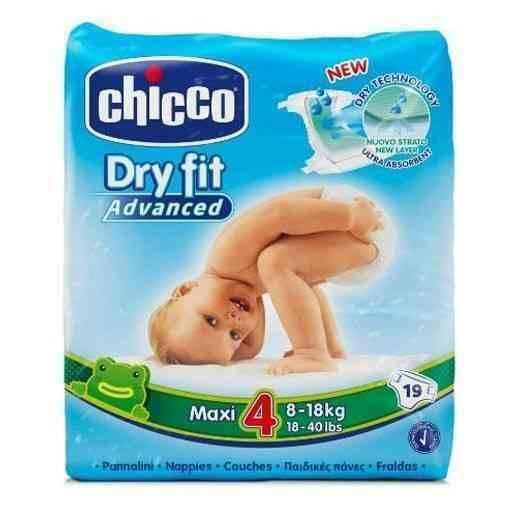


Diapo Medium Size Adult Diaper Pants – 10 Counts

Diapo Medium Size Diaper Pants – 10 Counts
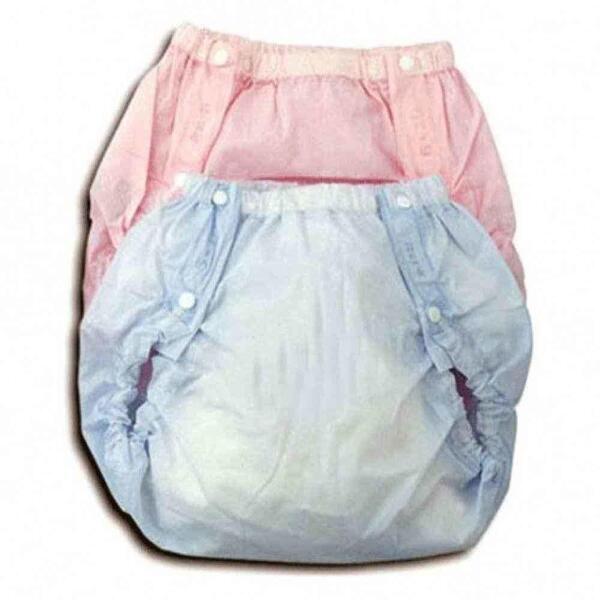


Himalaya baby Small Size Tape Diapers 54's
Himalaya Total Care Baby Pant Diapers Medium 54 Count

Himalaya Total Care Baby Pant Diapers Small 54 Count


Himalaya Total Care Extra Large Size Baby Diaper Pants 54's

Himalaya Total Care Extra Large Size Baby Diaper Pants 74's

Himalaya Total Care Large Size Baby Diaper Pants 54's

Himalaya Total Care Large Size Baby Diaper Pants 76's

Himalaya Total Care Medium Size Baby Diaper 78's
Buying diapers for your baby can be a daunting task, but it is an essential one. It is important to note that using diapers can be expensive, and it is best to use them only when going outside with your baby. In Nepal, it is traditional to use cloth diapers, which can be washed and reused.
Remember, while using diapers can be convenient, it is important to only use them when necessary and to consider more eco-friendly options such as reusable cloth diapers.
There are several disadvantages of using diapers, including:
- Expense: Diapers can be expensive, especially for parents who use disposable diapers.
- Environmental impact: Disposable diapers contribute significantly to landfill waste and take hundreds of years to decompose.
- Health concerns: Some parents worry that diapers could cause skin irritation or even lead to health problems like diaper rash or urinary tract infections.
- Reduced sensitivity: Babies may become less sensitive to their natural urges and signals to go to the bathroom when they wear diapers.
- Potty training delay: Babies who use diapers may take longer to learn how to use the toilet on their own.
It’s important to note that using diapers is a personal choice, and many parents find them to be convenient and helpful. However, it’s also important to consider the potential downsides and make an informed decision based on your family’s needs and values.
Buyer’s guide for purchasing diapers in Nepal:
Best Budget Items:
- Cloth diapers (reusable) – prices vary based on the type and brand
- Disposable diapers – average price of NPR 20 to 25 per piece
Best Brands:
- Huggies
- Pampers
- MamyPoko
Types of Diapers:
- Cloth Diapers (Reusable)
- PROS: Environmentally friendly, can be reused multiple times, comfortable for the baby
- CONS: Require frequent washing, can be inconvenient when traveling, may require additional accessories like diaper pins or inserts
- Disposable Diapers
- PROS: Convenient, can be easily disposed of, highly absorbent, come with wetness indicators
- CONS: Expensive, may cause rashes or allergies, not environmentally friendly
Features to seek while buying Diapers:
- Size – Diapers come in different sizes depending on the age and weight of the baby.
- Absorbency – Some diapers are more absorbent than others, and this feature is crucial to prevent leaks.
- Wetness Indicator – This feature is available in disposable diapers and helps parents know when to change the diaper.
- Elasticity – Elasticity around the waist and legs ensure that the diaper fits snugly and prevents leakage.
- Breathability – This feature is essential for the baby’s comfort and prevents rashes caused by trapped moisture.
- Comfort – Diapers should be comfortable for the baby and not cause any irritation or discomfort.
- Closure – Diapers come with different closure options such as velcro, snaps, or adhesive strips.
- Style – Some diapers are designed specifically for boys or girls, or with special designs.
- Diaper Bag Compatibility – Some diaper brands have bags designed to carry their specific type of diapers.
- Price – Diapers vary in price depending on the brand, type, and quantity.
Tips:
- Choose the right size and type of diaper for your baby.
- Change the diaper frequently to prevent rashes or irritation.
- Use diaper rash cream if necessary.
- Dispose of used diapers properly.
- Always carry extra diapers when traveling with your baby.
- Look for sales and discounts: Diapers can be expensive, so keep an eye out for sales and discounts to save money. Many stores offer discounts for bulk purchases or loyalty programs.
- Consider reusable cloth diapers: While traditional cloth diapers may not be practical for everyday use, reusable cloth diapers are an eco-friendly and cost-effective option. Look for brands that offer high-quality, durable cloth diapers that can be washed and reused.
- Check the size and fit: Diapers come in different sizes, so make sure to choose the right size for your baby. A good fit is important for preventing leaks and ensuring comfort.
- Choose a trusted brand: Stick to reputable brands with good reviews to ensure the quality and effectiveness of the diapers. Some popular brands in Nepal include Huggies, Pampers, and MamyPoko.
- Watch for irritation: Some babies may experience skin irritation from certain diaper brands or materials. If you notice redness or discomfort, consider switching to a different brand or type of diaper.
- Dispose of diapers properly: If using disposable diapers, make sure to dispose of them properly in a designated diaper disposal bin. Do not flush them down the toilet as they can cause plumbing issues.
How to take care od Diaper rash?
Diaper rash is a common problem that babies experience when using diapers. Here are some tips on how to avoid and treat diaper rash:
- Change diapers frequently: Keeping the baby’s bottom clean and dry is the key to preventing diaper rash. Change diapers frequently, especially after bowel movements.
- Use a diaper cream: Apply a diaper cream containing zinc oxide or petroleum jelly to protect the baby’s skin from moisture.
- Let the skin breathe: Give your baby some diaper-free time to let the skin breathe.
- Avoid tight diapers: Make sure the diaper is not too tight as it can create friction and cause irritation.
- Use mild soap: Use a mild soap to clean the baby’s bottom and avoid using wipes that contain alcohol or fragrances.
- Seek medical attention: If the diaper rash is severe or does not improve with home remedies, seek medical attention from a pediatrician.
By following these tips, you can avoid and treat diaper rash and ensure your baby’s skin stays healthy and comfortable.
There are several medicinal herbs and plants that can be used to treat diaper rash naturally. Some common examples include:
- Aloe Vera: The gel of the aloe vera plant can be applied directly to the affected area to soothe and heal the skin.
- Calendula: Calendula cream or oil can be applied to the rash to reduce inflammation and promote healing.
- Coconut oil: Coconut oil has natural anti-fungal and anti-bacterial properties, making it an effective natural remedy for diaper rash.
- Chamomile: Chamomile tea can be brewed and used as a compress on the affected area to soothe and heal the skin.
- Witch hazel: Witch hazel has natural astringent properties and can be applied to the affected area to reduce inflammation and promote healing.
It is important to consult with a healthcare provider before using any medicinal herbs or plants, especially if your baby has a known allergy or sensitivity.
Glossary:
- Absorbent – The ability of a diaper to soak up moisture.
- Wetness Indicator – A feature available in disposable diapers that changes color when the diaper is wet.
- Elasticity – The ability of a diaper to stretch and fit snugly around the waist and legs.
- Breathable – The ability of a diaper to allow air to pass through to prevent trapped moisture.
- Closure – The mechanism used to fasten the diaper, such as velcro, snaps, or adhesive strips.
- Cloth Diapers – Reusable diapers made from fabric that can be washed and reused.
- Disposable Diapers – Single-use diapers that are thrown away after use.
- Diaper Bag – A bag designed to carry diapers, wipes, and other baby essentials.
- Diaper Rash – A rash caused by prolonged exposure to moisture or friction from a diaper.
- Inserts – Additional layers that can be added to a cloth diaper for extra absorbency.
- Leak Guard – A feature that helps prevent leaks from the sides of the diaper.
- Diaper Cream – A cream applied to the baby’s skin to prevent or treat diaper rash.