
Surveillance Cameras
Showing 1–36 of 311 results


1080P WiFi IP CCTV Wireless Camera with Clear Night Vision


180 Degree Cloud Forwarding Panoromic Wifi Camera


2MP Color VU Full Time Color Turret Camera


2MP HD Dome Camera IR Day / Night Vision AHD CCTV Camera

2MP IP CCTV Camera 1080P, WiFi Wireless and Two Way Audio with Clear Night Vision


2U DVR Rack & Networking Rack, 2U Mini CCTV/DVR/NVR/Router Cabinet BOX

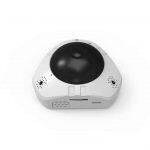
360 Degree Cloud Panoramic Wifi Camera – (White/Black)

360 Degree Mini Wifi Wireless Panoramic Ip Home Security Surveillance Cctv Camera


360 Degree Wifi Camera For Home Office Security

360 Hd Indoor Wireless Wifi Cctv Camera – 3 Antenna

360 Panaromic Fisheye Ip Surveillance Wifi Camera


360° Panoramic-Wireless WiFi CCTV Camera

3D Navigation Positioning Wi-Fi Cloud Camera


An97 Waterproof Micro Usb Endoscope Snake Tube Inspection Camera With 6 Led
Surveillance cameras are essential for securing your home or business in Nepal, where electricity cuts can be a common occurrence. Here’s a comprehensive guide to help you choose the right surveillance camera that suits your budget and requirements.
The use of surveillance cameras at private homes in Nepal can provide a number of benefits, including:
- Crime Prevention: Surveillance cameras act as a deterrent to potential criminals who may think twice before breaking into a property if they know they are being monitored. This can help reduce crime rates in the area.
- Evidence Collection: In the event that a crime does occur, surveillance cameras can provide valuable evidence that can help identify the perpetrator and lead to their arrest and conviction.
- Remote Monitoring: With the ability to remotely monitor a property through surveillance cameras, homeowners can keep an eye on their home and property even when they are away, providing an added sense of security.
- Peace of Mind: The presence of surveillance cameras can provide homeowners with peace of mind, knowing that they have an added layer of security protecting their property and loved ones.
- Insurance Benefits: Some insurance companies may offer discounts on home insurance premiums for properties with surveillance cameras installed, as it is seen as a lower risk for theft and damage.
Overall, the use of surveillance cameras at private homes in Nepal can provide a sense of security and peace of mind, while also helping to prevent crime and protect property.
In Nepal, there are several laws related to the use of surveillance cameras that individuals should be aware of when using them:
- Privacy Act, 2075: The act requires individuals to obtain consent from the person being recorded before installing a surveillance camera. The act also states that the data collected from the cameras must be kept confidential and not shared without the consent of the individual being recorded.
- Electronic Transactions Act, 2063: The act governs the use of electronic data and communication. It requires individuals to obtain consent before collecting data through the use of surveillance cameras.
- Right to Information Act, 2064: The act allows individuals to request access to information collected by government entities through the use of surveillance cameras.
- Criminal Code, 2074: The code criminalizes the misuse of surveillance cameras, including using them for illegal surveillance or to invade someone’s privacy.
It is important to note that while there are laws in place, the implementation and enforcement of these laws can vary. It is recommended that individuals consult with legal professionals or law enforcement officials to ensure that their use of surveillance cameras is in compliance with local laws and regulations.
When it comes to purchasing surveillance cameras, the price can vary greatly depending on the type of camera and its features. Here are some best budget options available in Nepal:
- Hikvision DS-2CE16D0T-IRP Bullet Camera: NPR 3,000 – NPR 4,000
- CP Plus CP-VCG-D13L2 Dome Camera: NPR 2,000 – NPR 3,000
- Dahua HAC-HFW1000RP Bullet Camera: NPR 3,500 – NPR 4,500
Best Brands Available in Nepal:
When it comes to surveillance cameras, there are several well-known brands available in Nepal. Some of the best brands available in Nepal are:
Types of Surveillance Cameras:
1) Wired Cameras: Wired surveillance cameras are connected to a DVR or NVR using a cable. Here are the pros and cons of wired cameras:
PROS:
- Provides high-quality, stable video footage
- Less susceptible to interference
- Can transmit power and video signal through a single cable
CONS:
- Installation can be difficult and time-consuming
- The cables can be visible and may require drilling holes in walls
- Limited mobility due to the need for cables
3) Wireless Cameras: Wireless surveillance cameras transmit video footage over Wi-Fi or cellular networks. Here are the pros and cons of wireless cameras:
PROS:
- Easy installation with no cables required
- Can be accessed remotely using a smartphone or computer
- Can be placed anywhere without being limited by cables
CONS:
- Video quality can be affected by signal strength
- More susceptible to interference
- May require a separate power source
4) IP Cameras: IP cameras are digital cameras that can transmit data over the internet. Here are the pros and cons of IP cameras:
PROS:
- High-quality video footage with advanced features
- Can be accessed remotely using a smartphone or computer
- Can be easily integrated with other security systems
CONS:
- Requires a reliable internet connection for optimal performance
- May require professional installation
- Can be expensive compared to other types of cameras
5)PTZ Cameras:
PROS: Can pan, tilt, and zoom, making them ideal for monitoring large areas. CONS: expensive and require professional installation.
6) Bullet Cameras – Suitable for outdoor surveillance, visible and intimidating, but limited flexibility in camera angle adjustment.
7) Dome Cameras – Suitable for indoor surveillance, versatile camera angle adjustment, but may not be as intimidating.
8) Hidden Cameras – Suitable for covert surveillance, may not be legal in all situations, and limited camera angle adjustment.
Features to check when buying Surveillance Cameras:
- Resolution – Higher resolution cameras provide clearer images and details.
- Night Vision – Infrared (IR) LEDs or low-light sensors enable better visibility in low-light conditions.
- Motion Detection – Alerts the user when motion is detected in the camera’s field of view.
- Storage – Supports local or cloud storage options for captured footage. Look for cameras that have enough storage capacity to store your footage.
- Remote Access – Allows users to view footage remotely through a mobile app or web browser.
- Weather Resistance – For outdoor cameras, make sure they have weather-resistant features to withstand extreme temperatures and precipitation.
- Power Backup – In areas with frequent electricity cutoff, consider cameras with a built-in backup battery or solar-powered options.
- Two-Way Audio – Enables communication between the user and the camera’s environment.
- Pan/Tilt/Zoom – For PTZ cameras, ensure that the camera can pan, tilt, and zoom smoothly and efficiently.
- Integration – Consider cameras that can integrate with other security systems, such as alarms and access control systems.
- Field of View: Cameras with a wider field of view can cover more area
- Motion Detection: Cameras with motion detection can alert you when movement is detected
- Two-Way Audio: Cameras with two-way audio allow you to communicate with people on the other end
- Remote Access: Cameras with remote access can be accessed from a smartphone or computer
Tips:
- Determine your surveillance needs: Consider the areas you want to monitor and what features are important to you
- Choose the right type of camera: Consider the pros and cons of wired, wireless, and IP cameras and choose the one that suits your needs
- Consider the placement: Think about the location of the camera and whether it will be visible or hidden
- Test the camera: Make sure to test the camera before installation to ensure it meets your expectations
- Choose a camera with remote access features, such as mobile apps or web-based interfaces, to monitor your property from anywhere.
- Opt for cameras with built-in storage or consider using cloud storage to save footage in case of power cuts or theft.
- Ensure the cameras are installed in suitable locations with a clear view of the area to be monitored.
- Regularly check and maintain the cameras to ensure they are working correctly.
- Use high-quality storage solutions to ensure footage is stored securely and reliably.
- Use passwords and encryption to secure remote access to cameras.
- Consider professional installation to ensure the cameras are set up correctly and optimally.
Glossary:
- Resolution – The number of pixels in the camera’s image sensor, typically measured in megapixels.
- Night Vision – The camera’s ability to capture clear images in low-light conditions.
- Motion Detection – The camera’s ability to detect movement in its field of view.
- Storage – The method in which footage is stored, such as local storage on an SD card or cloud storage.
- Remote Access – The ability to view camera footage remotely through a mobile app or web browser.
- Weather Resistance – The camera’s ability to withstand extreme temperatures and precipitation.
- Power Backup – The camera’s ability to continue functioning during power outages, typically through a built-in battery or solar power.
- Two-Way Audio – The camera’s ability to enable communication between the user and the camera’s environment.
- Pan/Tilt/Zoom – The camera’s ability to move horizontally and vertically, as well as zoom in and out.
- Integration – The camera’s ability to integrate with other security systems.
- Field of View: The area that a surveillance camera can capture and view.
- Infrared (IR) Illumination: The use of infrared light to capture images in low light or no light situations.
- Motion Detection: The ability of a surveillance camera to detect movement and trigger recording or alerts.
- Pan-Tilt-Zoom (PTZ): A type of camera that can be remotely controlled to pan (move horizontally), tilt (move vertically), and zoom in and out.
- Resolution: The level of detail that a camera can capture, typically measured in pixels.
- Wide Dynamic Range (WDR): The ability of a camera to capture images with high contrast, such as in areas with both bright and dark areas.
- Network Video Recorder (NVR): A device used to record and store video from surveillance cameras on a network.
- Power over Ethernet (PoE): A technology that allows the camera to be powered and connected to the network using a single Ethernet cable.
- Remote Access: The ability to view live or recorded video from a surveillance camera remotely, typically through a smartphone app or web interface.
- Two-Way Audio: The ability to communicate through the camera, allowing for two-way communication between the camera and viewer.